Fibroids and Fertility: How Uterine Fibroids Affect Your Ability to Conceive
Learn how uterine fibroids can affect conception and what Viva Eve's Fibroid 360 program can do to help.

TL;DR
Most fibroids do not stand in the way of pregnancy. Certain fibroids that grow into the uterine cavity can affect implantation, but this is something that can be carefully evaluated and addressed. Viva Eve’s Fibroid 360 program takes the time to assess your specific fibroids and develop a personalized plan designed to support your reproductive health and goals.
Contact your doctor immediately if you experience heavy bleeding, severe pelvic pain, or difficulty urinating during your TTC journey.
In This Article
What Are Uterine Fibroids?
Uterine fibroids (leiomyomas) are benign growths of the uterus and are extremely common, affecting up to 80% of women by age 50. They most often occur during the reproductive years.
Can Fibroids Cause Infertility?
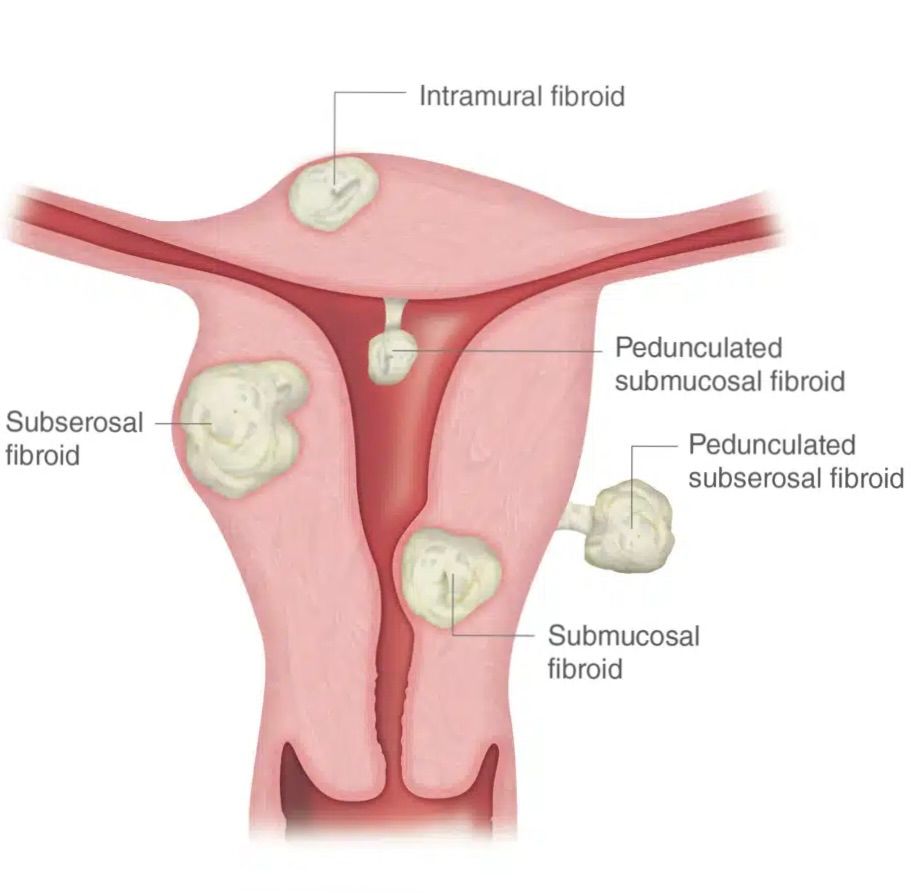
While most women with fibroids can get pregnant naturally, certain types of fibroids—particularly submucosal ones—can interfere with fertility by blocking the fallopian tubes or preventing embryo implantation.
How Do Fibroids Affect Pregnancy and Miscarriage Risk?
Fibroids can increase the risk of certain pregnancy complications, including miscarriage, preterm birth, and breech presentation, especially if they grow significantly during the first trimester.
What Are the Symptoms of Fibroids During TTC?
Common symptoms of fibroids that may arise while you are trying to conceive (TTC) include heavy menstrual bleeding, pelvic pain, and pressure on the bladder or rectum.
How Are Fibroids Diagnosed at Viva Eve?
We diagnose fibroids using a combination of pelvic exams, high-resolution ultrasound, and minimally invasive procedures like hysteroscopy or MRI when necessary.
What Are the Treatment Options for Fertility-Focused Patients?
For women wishing to preserve fertility, myomectomy (surgical removal of fibroids while keeping the uterus intact) is often the gold standard of treatment.
Frequently Asked Questions
Find quick answers to common questions about how uterine fibroids (leiomyomas) impact your fertility and pregnancy journey.
Frequently Asked Questions
Most women with fibroids are able to conceive naturally. In some cases, fibroids can affect implantation, depending largely on their size and where they are located within the uterus.
Fibroids can increase the risk of miscarriage, particularly in the first and second trimesters. This risk is highest when fibroids distort the uterine cavity or interfere with the blood supply to the developing placenta.
About one-third of fibroids grow during the first trimester due to increased hormone levels. However, many fibroids stay the same size or even shrink after the baby is born. Regular monitoring via ultrasound is recommended.
Yes, a procedure called a myomectomy is specifically designed to remove fibroids while leaving the uterus intact. This is the preferred surgical option for women who wish to preserve their fertility.
Most doctors recommend waiting three to six months after a myomectomy before trying to conceive. This allows the uterine wall to heal completely, ensuring it is strong enough to support a growing pregnancy.