The First Trimester Food Guide: What to Eat and What to Avoid

Proper nutrition is vital during the first trimester as your baby's major organs begin to form. Learn which nutrients are essential and which foods you should safely avoid.
first-trimester 10 min read
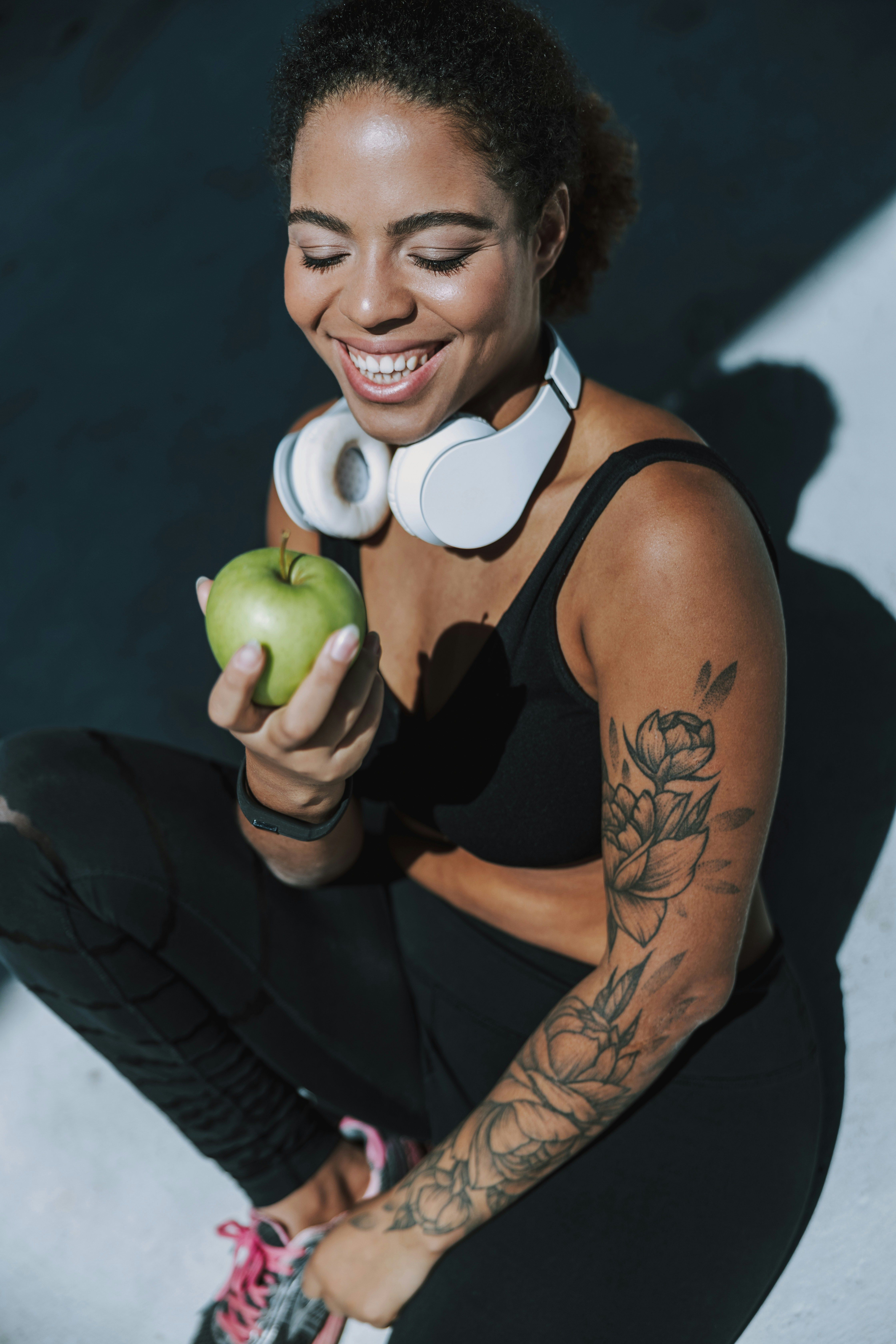
Healthy pregnancy foods including fruits vegetables and balanced meal for first trimester

TL;DR

The first trimester is a critical period for fetal development, requiring increased intake of folic acid, iron, and DHA. While you should avoid raw seafood, unpasteurized dairy, and excessive mercury, focusing on nutrient-dense whole foods can support your baby's growth and help manage common symptoms like fatigue and morning sickness.

Book Your First Visit
Important

Avoid all raw or undercooked meat, unpasteurized juices and dairy, and high-mercury fish during pregnancy to prevent serious foodborne illnesses like listeriosis or toxoplasmosis.

Why Is First Trimester Nutrition So Important?

The first trimester is when your baby's brain, spinal cord, and heart begin to develop, making specific nutrients like folic acid and iron essential for preventing birth defects and supporting your increased blood volume.

In these early weeks, your baby is undergoing a massive amount of cellular division. Even though you may not have a 'baby bump' yet, your body is working overtime to build the placenta—the life-support system for your child. This process requires a steady supply of high-quality 'building blocks.' At Viva Eve, we emphasize that nutrition isn't about eating for two in terms of calories, but rather eating with double the focus on quality. Many women find the first trimester challenging because of food aversions or nausea. If you can't eat a perfect diet right now, don't panic. Your body is incredibly resilient and will prioritize the baby's needs. However, understanding which nutrients are the most 'high-priority' can help you make the best choices on the days when you are feeling well enough to eat.

Which Nutrients Are Essential in the First Trimester?

Key nutrients for the first trimester include folic acid (folate), iron, calcium, Vitamin D, DHA (an omega-3 fatty acid), and choline, each playing a vital role in fetal development and maternal health.

Folic acid (Vitamin B9) is perhaps the most famous pregnancy nutrient, as it is clinically proven to reduce the risk of neural tube defects (brain and spine issues). Iron is equally critical; your blood volume increases by nearly 50% during pregnancy, and you need iron to produce the hemoglobin that carries oxygen to both you and your baby. If you feel exceptionally tired, it may be a sign of iron-deficiency anemia. We also focus on DHA for brain and eye development and choline for overall neurological health. While many of these are found in a high-quality prenatal vitamin, getting them from whole foods often leads to better absorption. Leafy greens, lean meats, beans, and eggs are 'powerhouse' foods that provide a wide spectrum of these essential vitamins and minerals.

Which Foods Should You Safely Avoid?

To prevent foodborne illnesses, you should avoid raw or undercooked fish and meat, unpasteurized cheeses (like brie or feta), deli meats unless heated to steaming, and fish high in mercury (like shark or swordfish).

The reason we give 'do not eat' lists isn't to be restrictive, but to protect you from bacteria like Listeria, which can be dangerous for a developing fetus. Unpasteurized dairy and juices can harbor these bacteria, as can undercooked eggs (no runny yolks for now!). Deli meats and hot dogs are also on the list because they can be contaminated after processing; if you crave a turkey sandwich, make sure the meat is heated until it's steaming hot. Mercury is another concern because high levels can interfere with the baby's developing nervous system. While we want you to eat fish for the omega-3s, stick to low-mercury options like salmon, shrimp, and canned light tuna. Avoid 'big' fish like king mackerel, tilefish, and swordfish. At Viva Eve, we recommend limiting caffeine to 200 mg per day—about one 12-ounce cup of coffee—to ensure optimal placental blood flow.

How Can You Manage Food Aversions and Cravings?

Food aversions are your body's natural way of protecting you from potential toxins. Listen to your body, focus on 'safe' foods that you can tolerate, and don't force yourself to eat nutrient-dense foods that cause nausea.

It's a common irony of pregnancy: you know you should eat kale, but the mere thought of a salad makes you want to run from the room. If this is happening to you, give yourself grace. In the first trimester, 'survival eating' is sometimes necessary. If all you can handle is plain pasta or crackers, that's okay for a few weeks. The goal is to stay hydrated and keep some calories coming in. Cravings are also very real. While we don't fully understand the science behind them, they may be your body's way of asking for specific minerals. If you find yourself craving non-food items like ice, dirt, or laundry starch, please tell us right away—this can be a sign of a condition called pica, which is often linked to a severe iron deficiency. Otherwise, moderate indulgence of your cravings is perfectly fine.
1. **Instead of coffee:** Try ginger tea or iced peppermint tea to settle the stomach. 2. **Instead of raw sushi:** Opt for cooked rolls like California rolls or shrimp tempura. 3. **Instead of unpasteurized cheese:** Choose pasteurized versions of mozzarella, cheddar, or cream cheese. 4. **Instead of large meals:** Graze on small, protein-rich snacks like hard-boiled eggs or peanut butter on apple slices.

Do You Really Need a Prenatal Vitamin?

Yes, a prenatal vitamin acts as a nutritional 'safety net' to ensure you are getting the required 400 to 800 mcg of folic acid and other micronutrients that are difficult to get from diet alone.

While we always advocate for a 'food-first' approach, the reality of modern life (and morning sickness) means most women have gaps in their nutrition. A prenatal vitamin isn't a replacement for a healthy diet, but it is an essential insurance policy. We recommend starting one even *before* you conceive, as the neural tube forms in the first few weeks of pregnancy. If your prenatal vitamin makes you nauseous, try taking it with your largest meal or right before bed. Some women find that 'gummy' vitamins are easier to tolerate, though they often lack iron. At your visit to our Forest Hills or Midtown East office, we can review your specific vitamin and suggest alternatives if it's causing discomfort. Our in-house dietitian, Tamsin Jordan, can also provide a personalized nutrition plan to bridge any gaps.

How Much Water Should You Be Drinking?

You should aim for about 80 to 100 ounces (10 to 12 cups) of water per day during the first trimester to support your increased blood volume and the production of amniotic fluid.

Hydration is one of the most underrated aspects of pregnancy health. Water helps transport nutrients to the placenta and assists in the disposal of waste products. It also helps prevent common pregnancy issues like constipation and urinary tract infections (UTIs). If you find plain water difficult to drink due to nausea, try adding slices of cucumber, lemon, or a splash of fruit juice. If you are vomiting frequently due to morning sickness, your hydration needs increase significantly. Keep an eye on the color of your urine; it should be pale yellow, like lemonade. If it's dark like apple juice, you are likely dehydrated. Staying hydrated can actually help *reduce* nausea and fatigue, making it one of the most powerful tools you have in the first trimester.
Common Questions

Frequently Asked Questions

We recommend avoiding all *raw* fish, regardless of mercury content, due to the risk of parasites and bacteria like Listeria. However, cooked sushi (like eel, shrimp tempura, or veggie rolls) is perfectly safe and can be a great source of protein.

There is no known safe amount of alcohol during pregnancy. To prevent Fetal Alcohol Spectrum Disorders (FASD), the clinical recommendation from ACOG and Viva Eve is to avoid all alcohol from the moment you begin trying to conceive.

Deli meats (like ham, turkey, and bologna) carry a risk of Listeria contamination. While the risk is low, the consequences for the baby can be severe. If you want to eat deli meat, simply heat it in the microwave until it is steaming hot to kill any potential bacteria.

Yes, in moderation. Most experts, including those at Viva Eve, agree that up to 200 mg of caffeine per day (about one 12-ounce cup of coffee) is safe. Be mindful of 'hidden' caffeine in soda, chocolate, and some over-the-counter medications.

Don't stress. In the first trimester, getting *some* calories is more important than the *source* of those calories if you are very sick. Focus on staying hydrated and taking your prenatal vitamin; your appetite will likely return in the second trimester.

Questions Before You Book? We’re Here to Help.

Finding the right provider is a big deal. Let's start with a conversation: your symptoms, your history, your options — whenever you're ready to talk.

Provide your contact info below and we'll give you a call within one business day to talk about your healthcare & next steps.