Packing Your Hospital Bag: The Complete Checklist for Mom, Partner, and Baby
When should you pack—and what do you actually need? This guide simplifies the process so you feel prepared for labor, recovery, and your baby’s first journey home.
TL;DR
Aim to have your hospital bag ready by 34 to 36 weeks of pregnancy. Focus on essentials: your ID and birth plan, comfort items for labor (like a long phone charger and toiletries), postpartum basics (such as nursing bras and comfortable clothing), and a properly installed car seat for your baby’s ride home.
Don't forget to install your baby's car seat and ensure you know how to use it before your due date. Most hospitals, including Mount Sinai West, cannot discharge you and your baby without a correctly installed car seat.
In This Article
When is the Best Time to Pack My Hospital Bag?
We recommend having your bag packed by weeks 34 to 36. This ensures you’re prepared if labor begins earlier than expected or if a medical situation requires early admission.
What are the Essential Documents to Bring?
Your administrative essentials should be the first items in your bag: a photo ID, insurance card, and multiple copies of your birth plan.
What Should Mom Pack for Labor and Delivery?
Comfort is key during labor. Focus on items that help you relax, stay hydrated, and feel more at ease in a clinical setting.
What are the Postpartum Essentials for Mom?
After delivery, your focus shifts to recovery and comfort. Pack nursing-friendly clothing, personal toiletries, and items that support healing.
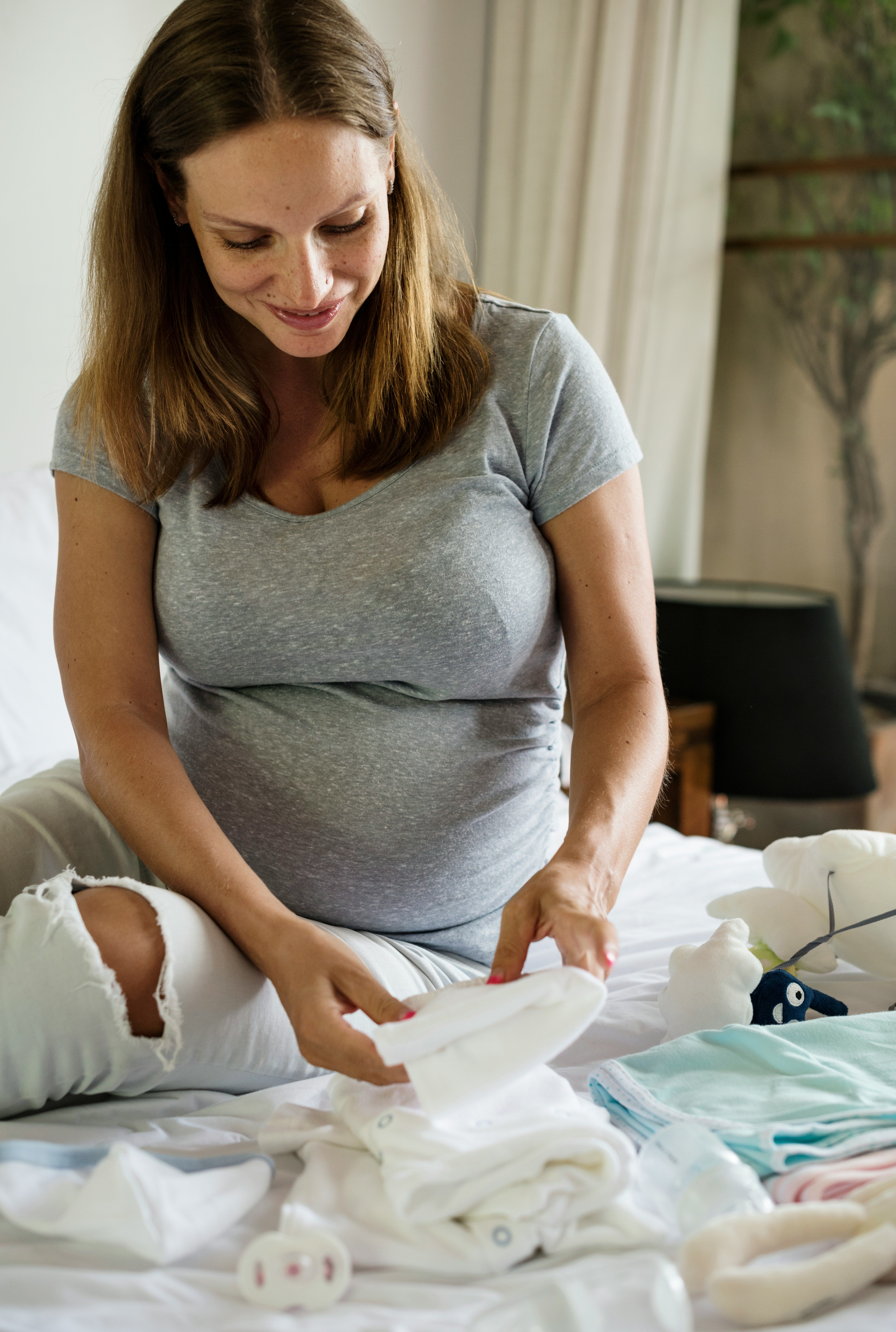
What Should We Pack for the Baby?
The hospital will provide most of what your baby needs during your stay. Your focus can remain on what’s needed for the trip home.
Don't Forget the Partner's Bag!
Your support person plays an essential role—and should be prepared to stay comfortable and present throughout labor and recovery.
Frequently Asked Questions
Most hospitals provide postpartum essentials, including mesh underwear, heavy-duty pads, perineal cooling packs, a peri bottle, and basic toiletries. While you may prefer your own items, your immediate recovery needs will be well covered.
No. The hospital will supply diapers, wipes, and basic skincare, along with swaddles and simple clothing during your stay.
In most cases, no. If pumping is needed, the hospital will provide a hospital-grade pump and sterile supplies. If you’d like guidance on your personal pump, you can bring it—but it’s not necessary.
Yes—creating a calming, familiar environment is encouraged. A Bluetooth speaker is ideal for music, and essential oils can be used thoughtfully (for example, on a cotton pad rather than in a diffuser) to be mindful of shared spaces.
Avoid bringing valuables, large amounts of cash, or expensive jewelry. Hospital rooms are active, shared environments, so it’s best to keep your bag streamlined and practical. Think comfortable, essential, and easy to manage—space is often limited.