Safe Exercise During Pregnancy: A Trimester-by-Trimester Guide

Staying active during pregnancy offers numerous benefits for both you and your baby. This guide outlines the latest medical guidelines on safe exercise, what to avoid, and how to modify your routine as your body changes.
second-trimester 9 min read
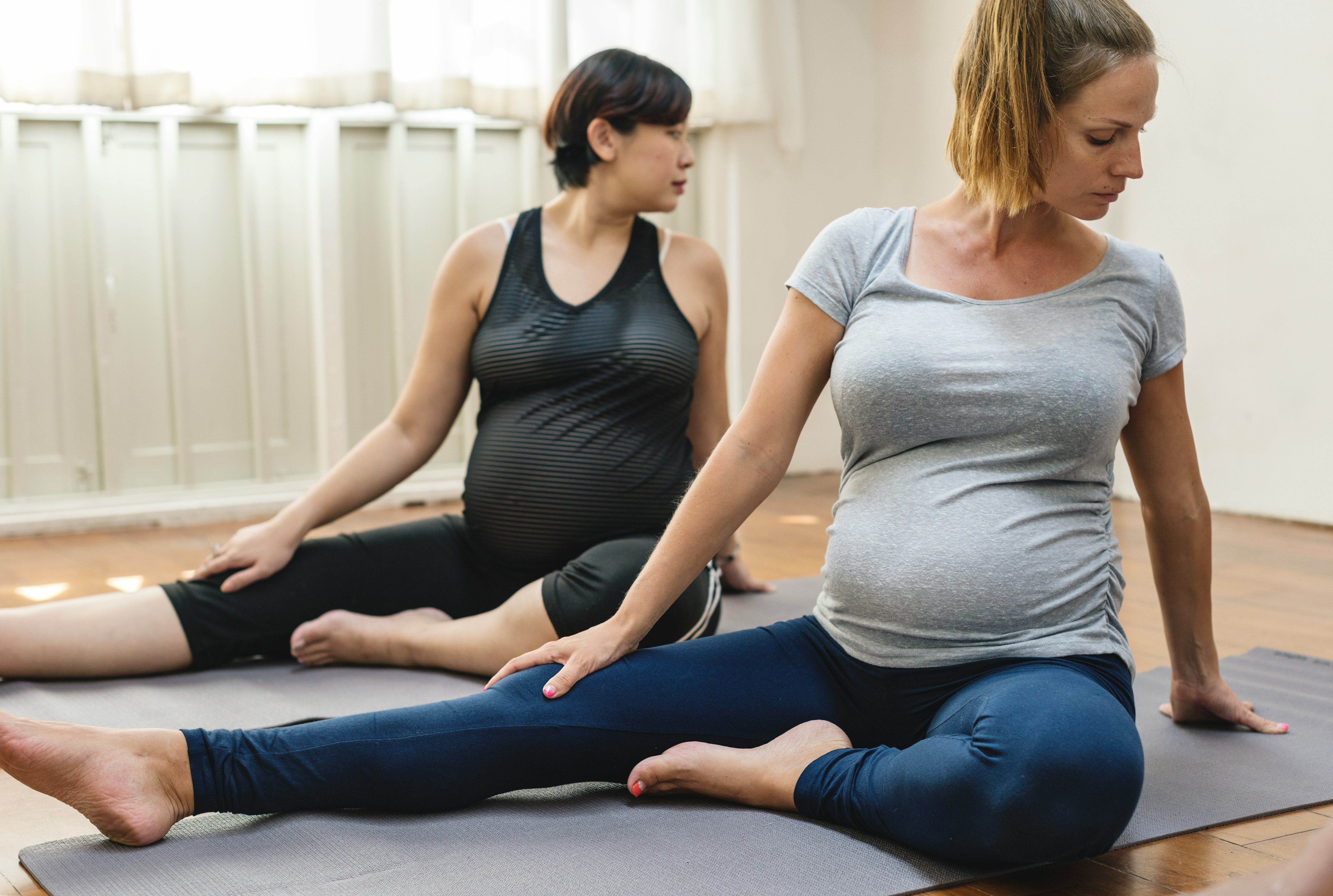
Pregnant woman doing gentle stretching exercise

TL;DR

The American College of Obstetricians and Gynecologists (ACOG) recommends that pregnant women engage in at least 150 minutes of moderate-intensity aerobic activity per week. Safe options include walking, swimming, prenatal yoga, and stationary cycling. Exercise helps prevent gestational diabetes, reduces back pain, and prepares your body for the physical demands of labor.

Book Your First Visit
Important

Stop exercising immediately and call your doctor if you experience vaginal bleeding, dizziness, chest pain, calf pain or swelling, or a decrease in fetal movement.

What are the Current Guidelines for Pregnancy Exercise?

Medical experts recommend at least 150 minutes of moderate-intensity aerobic activity each week for most pregnant women, which can be broken down into 30-minute sessions five days a week.

Gone are the days when pregnancy meant 'taking it easy' for nine months. Today, the American College of Obstetricians and Gynecologists (ACOG) emphasizes that regular exercise is not only safe but highly beneficial for most expectant mothers. Moderate intensity means you are moving enough to raise your heart rate and break a sweat, but you should still be able to carry on a conversation while working out. At Viva Eve, we encourage our patients to maintain an active lifestyle to support both physical and mental well-being. Regular movement can help manage pregnancy-related weight gain, reduce the risk of gestational diabetes and preeclampsia, and even shorten the duration of labor. If you were active before pregnancy, you can usually continue your routine with some modifications. If you're just starting, we'll help you build up gradually and safely.

What are the Safest Types of Exercise During Pregnancy?

Low-impact activities such as brisk walking, swimming, prenatal yoga, and stationary cycling are considered the safest and most effective options for pregnant women.

Brisk walking is perhaps the perfect pregnancy exercise—it's easy on your joints, requires no special equipment, and can be done anywhere. Swimming and water aerobics are also excellent choices because the water supports your growing weight, relieving pressure on your back and pelvis while preventing overheating. Prenatal yoga and Pilates are wonderful for maintaining flexibility and strengthening the muscles you'll use during delivery. These classes also focus on breathing techniques that can be invaluable during labor. However, ensure your instructor is certified in prenatal fitness, as certain poses (like those involving deep twists or lying flat on your back) may need modification after the first trimester.
A simple way to ensure you're exercising at a safe intensity is the 'talk test.' If you can speak comfortably while exercising, you're likely at a safe level. If you're too breathless to talk, it's time to slow down.

Which Exercises Should I Avoid While Pregnant?

You should avoid activities with a high risk of falling or abdominal trauma, as well as exercises performed in extreme heat or those requiring you to lie flat on your back after the first trimester.

Safety is paramount, so we recommend avoiding contact sports (like soccer, basketball, or ice hockey) where there is a risk of being hit in the abdomen. Activities with a high risk of falling, such as downhill skiing, horseback riding, or off-road cycling, should also be paused until after delivery. After the first trimester, you should avoid exercises that require you to lie flat on your back (the supine position). The weight of the growing uterus can compress a major vein called the vena cava, which can reduce blood flow to you and the baby. Additionally, avoid 'hot' yoga or hot Pilates, as overheating (hyperthermia) can be dangerous during pregnancy. Finally, scuba diving is strictly off-limits due to the risk of decompression sickness for the fetus.

How Does Exercise Support My Pelvic Floor Health?

Specific exercises, including Kegels and core stabilization, help strengthen the pelvic floor muscles that support your bladder, uterus, and bowels during and after pregnancy.

The pelvic floor is a group of muscles that acts like a hammock, supporting your pelvic organs. During pregnancy, the added weight and hormonal changes (like the release of relaxin, which softens ligaments) put extra strain on these muscles. Strengthening them can help prevent common issues like urinary incontinence (leaking when you sneeze or cough) and pelvic organ prolapse. In addition to Kegels, focusing on deep core stability is essential. However, we recommend avoiding traditional crunches or sit-ups, which can put too much pressure on the abdominal wall and contribute to diastasis recti (separation of the abdominal muscles). Instead, focus on exercises like pelvic tilts and bird-dog stretches that build strength without strain.

How Should I Modify My Routine Each Trimester?

Your exercise routine should evolve alongside your pregnancy, focusing on energy management in the first trimester, stability in the second, and comfort in the third.

In the first trimester, your biggest hurdles may be fatigue and morning sickness. Listen to your body and don't feel guilty if you need to scale back. In the second trimester, many women experience a 'second wind' of energy. This is a great time to focus on strength and stability, but be mindful of your changing center of gravity, which can affect your balance. By the third trimester, comfort is the priority. Your joints are looser, and your lung capacity may feel diminished as the baby moves higher. Swimming or gentle walking are often the most comfortable options. Throughout all trimesters, hydration is key—drink plenty of water before, during, and after your workout, and always wear a supportive bra and comfortable athletic shoes.

The Emotional and Mental Benefits of Staying Active

Exercise is a powerful tool for managing pregnancy-related stress, improving sleep quality, and reducing the risk of prenatal and postpartum depression.

Pregnancy is a time of massive transition, and the 'endorphin boost' from exercise can be a vital part of your mental health toolkit. Many women find that a daily walk or yoga session provides a much-needed moment of calm and connection with their changing bodies. It's not about 'getting your body back'—it's about feeling strong and capable during one of the most demanding physical experiences of your life. At Viva Eve, we believe that self-care is healthcare. If exercise starts to feel like a chore or an added source of stress, it's okay to change your approach. The goal is to find movement that makes you feel good, physically and emotionally. When you're ready to start or adjust your routine, our team—including our in-house dietitian—is here to support your holistic wellness journey.
Common Questions

Frequently Asked Questions

If you were a runner before pregnancy, you can typically continue as long as it feels comfortable and your doctor gives you the green light. You may need to shorten your distance or slow your pace as your pregnancy progresses. If you experience any pain or leaking, it's time to switch to a lower-impact activity.

This depends on the type of delivery you had and any complications. Generally, you can start gentle walking and pelvic floor exercises within a few days. For more intense exercise, we typically recommend waiting for your six-week postpartum checkup to ensure your body has healed sufficiently.

Yes, strength training is generally safe and beneficial. We recommend using lighter weights with higher repetitions and avoiding the 'Valsalva maneuver' (holding your breath while lifting). As your pregnancy progresses, you may need to avoid certain positions that strain your lower back or core.

It's not too late to start! We recommend beginning with five to 10 minutes of low-impact activity, like walking, and gradually increasing your time. Even a small amount of activity is better than none. Always talk to your Viva Eve provider before starting a new routine.

In a healthy pregnancy, moderate exercise does not increase the risk of miscarriage. Miscarriage is most often caused by chromosomal abnormalities, not physical activity. However, if you have certain medical conditions like a short cervix or placenta previa, we may recommend restricted activity.

Questions Before You Book? We’re Here to Help.

Finding the right provider is a big deal. Let's start with a conversation: your symptoms, your history, your options — whenever you're ready to talk.

Provide your contact info below and we'll give you a call within one business day to talk about your healthcare & next steps.