C-Section: What to Expect Before, During, and After

Whether planned or unplanned, a cesarean section (C-section) is a major surgical procedure and a significant birth experience. Understand the process, the recovery, and how Viva Eve supports your physical and emotional well-being.
third-trimester 12 min read
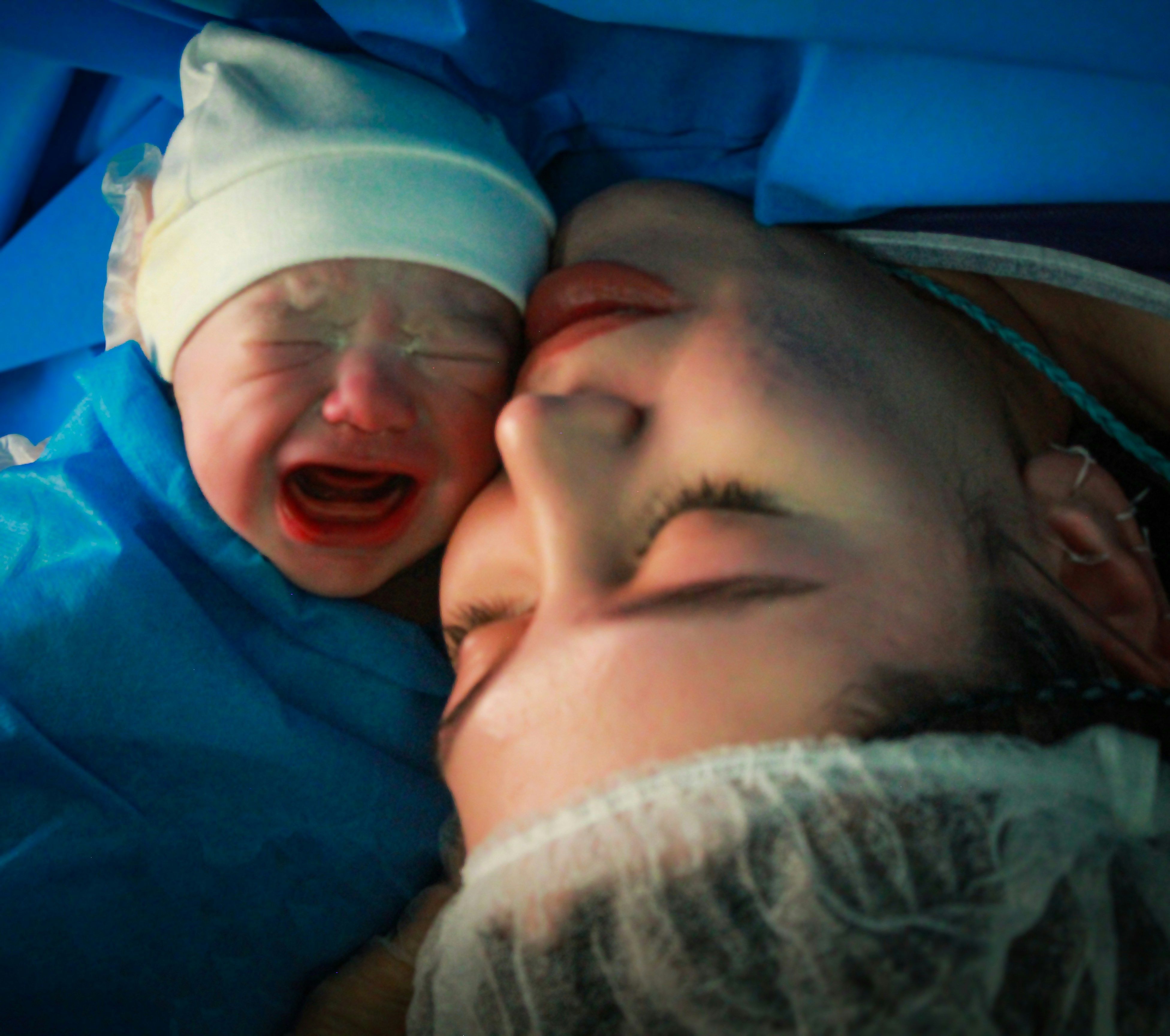
Mother next to newborn baby after cesarean section delivery in hospital

TL;DR

A cesarean section (C-section) is the surgical delivery of a baby through incisions in the abdomen and uterus. It may be planned for medical reasons or occur unexpectedly during labor. Recovery typically involves a two- to four-day hospital stay and a six-week period of restricted activity to allow the incisions to heal.

Book Your First Visit
Important

Contact your doctor immediately if you experience signs of infection at your incision site (redness, warmth, foul-smelling discharge), heavy vaginal bleeding, chest pain, or shortness of breath after your C-section.

Why Might I Need a C-Section?

A C-section may be recommended if a vaginal delivery poses a risk to the mother or baby. Common reasons include fetal distress, stalled labor, breech positioning, or certain maternal health conditions.

In some cases, a C-section is planned in advance (scheduled cesarean). This might happen if your baby is in a breech (feet or bottom first) or transverse (sideways) position, if you have placenta previa (where the placenta covers the cervix), or if you have had a previous C-section and are not a candidate for a VBAC (vaginal birth after cesarean). At Viva Eve, we will discuss these factors with you throughout your third trimester so you feel prepared for either outcome. An unplanned C-section occurs when complications arise during labor. This could be due to 'failure to progress,' where the cervix stops dilating despite strong contractions, or if the baby shows signs of distress (heart rate changes) that indicate they need to be delivered quickly. While an unplanned C-section can feel surprising or even disappointing, our priority at Mount Sinai West is always the safety of you and your newborn. We will communicate clearly with you and your partner every step of the way.

What Happens During the C-Section Procedure?

A C-section is a surgical procedure (cesarean section) that typically takes 45 to 60 minutes. It involves an abdominal incision, a uterine incision, and the gentle delivery of the baby and placenta.

Before the surgery begins, you will receive anesthesia—usually a spinal block or an epidural—which numbs you from the chest down but allows you to remain awake. A screen is typically placed so you don't see the surgical site, but your partner can sit by your head and offer support. Once the anesthesia is effective, the surgeon makes a horizontal incision (often called a 'bikini cut') just above the pubic hairline. A second incision is then made in the uterus. You may feel some pressure or a 'tugging' sensation as the baby is delivered, but you should not feel any sharp pain. The baby is usually born within the first 10 to 15 minutes of the procedure. After a brief check by the pediatric team, the baby is often brought to you for skin-to-skin contact while the surgeons spend the remaining time removing the placenta and carefully closing the incisions with sutures or staples. At Viva Eve, we prioritize 'gentle cesarean' techniques whenever possible to enhance the bonding experience.

What is the Immediate Recovery Like in the Hospital?

The immediate postoperative care focuses on pain management, monitoring for complications, and helping you safely transition from surgery to caring for your newborn.

You will spend the first few hours after surgery in a recovery room where we will monitor your vital signs and the firmness of your uterus. As the anesthesia wears off, you may experience shivering or itching, which are common side effects. Pain management is a top priority; we will use a combination of medications to keep you comfortable so you can begin moving as soon as possible. Movement is essential for preventing blood clots and helping your digestive system 'wake up' after surgery. Most C‑section patients stay in the hospital for two to four days. During this time, our nursing staff will support you with newborn care and recovery, and lactation consultants are available for those who choose to breastfeed. We will closely monitor your incision for any signs of infection. A urinary catheter is typically in place for the first 12 to 24 hours and is removed once you’re able to walk comfortably to the bathroom. At Viva Eve, we make sure you have a clear and supported plan for your transition home before discharge.

How Do I Care for My C-Section Incion at Home?

Proper incision care is vital for preventing infection and ensuring a smooth recovery. You should keep the area clean and dry, avoid tight clothing, and monitor for any unusual changes.

- **Keep it Dry**: Pat the area dry gently after showering; do not scrub. - **Air it Out**: Wear loose-fitting, high-waisted underwear that doesn't rub the incision. - **Support the Area**: Hold a pillow against your incision (splinting) when you cough, sneeze, or laugh. - **Monitor**: Check the area daily for increased redness, swelling, or drainage.
Most incisions are closed with dissolving stitches or surgical glue that doesn't require removal. If you have staples, we will schedule an appointment to remove them about a week after surgery. It is normal for the area around the incision to feel numb or tingly for several weeks or even months as the small nerves in the skin heal. While the 'scar' will be visible, it typically fades significantly over the first year. Viva Eve’s aesthetic dermatology specialists offer effective treatments to significantly soften, fade, and reduce the appearance of scars.

What are the Activity Restrictions After a C-Section?

Recovery from major abdominal surgery takes time. For the first six weeks, you should avoid heavy lifting, strenuous exercise, and driving until you are no longer taking prescription pain medication.

A good rule of thumb is not to lift anything heavier than your baby for the first month. This means avoiding heavy grocery bags, laundry baskets, or older children. Strenuous exercise, including core work or high-impact activities, should be avoided until you are cleared at your six-week postpartum checkup. However, gentle walking is highly encouraged—it improves circulation and can actually help your mood during the early weeks of parenthood. You should also wait to resume sexual intercourse and the use of tampons for at least six weeks to allow the uterus and cervix to heal completely. We know these restrictions can be frustrating, especially when you are eager to get back to your 'normal' routine. At Viva Eve, we view this period as a time for healing and bonding. We will work with you to gradually and safely reintroduce activity based on your individual recovery progress.

Processing the Emotional Impact of a C-Section

Whether it was planned or unplanned, a C-section can bring up a range of emotions, including relief, frustration, or even a sense of loss. It is important to acknowledge and process these feelings as part of your recovery.

If you had hoped for a vaginal birth, an unplanned C-section can feel like a deviation from your 'ideal' birth story. It is okay to feel disappointed or to grieve the experience you didn't have. Many women also feel a sense of 'being a patient' rather than 'being a mother' in the immediate aftermath of surgery. We want you to know that your feelings are valid and that having a C-section does not make you any less of a mother. At Viva Eve, we are here to talk through your birth experience with you. Understanding *why* the decision was made can often help in the emotional healing process. We also encourage you to seek support from your partner, family, or specialized postpartum counselors if you find your birth experience is affecting your mental health. Your emotional well-being is just as important to us as your physical recovery.
Common Questions

Frequently Asked Questions

Many women are successful candidates for a Trial of Labor After Cesarean (TOLAC) and a subsequent VBAC. This depends on the reason for your first C-section and the type of uterine incision used. At Viva Eve, we will review your surgical records and discuss your future birth options with you.

Most C-section incisions are horizontal and about four to six inches long, sitting just above the pubic hairline. Over time, the scar will thin and the color will fade from red or pink to a silvery-white or your natural skin tone.

You should generally wait at least two weeks before driving. You must be able to move your foot quickly from the gas to the brake without pain and be off all prescription pain medications. Always check with your Viva Eve provider for your specific timeline.

Yes, you will still experience vaginal bleeding (lochia) after a C-section as the uterine lining sheds. This bleeding typically lasts for four to six weeks, starting heavy and red and gradually becoming lighter and pinkish or yellowish.

Absolutely. While it may take a little longer for your milk to 'come in' and you may need to find comfortable positions (like the football hold) that don't put pressure on your incision, our team at Viva Eve will support your breastfeeding goals from day one.

Questions Before You Book? We’re Here to Help.

Finding the right provider is a big deal. Let's start with a conversation: your symptoms, your history, your options — whenever you're ready to talk.

Provide your contact info below and we'll give you a call within one business day to talk about your healthcare & next steps.